



 30-DAY MONEY-BACK GUARANTEE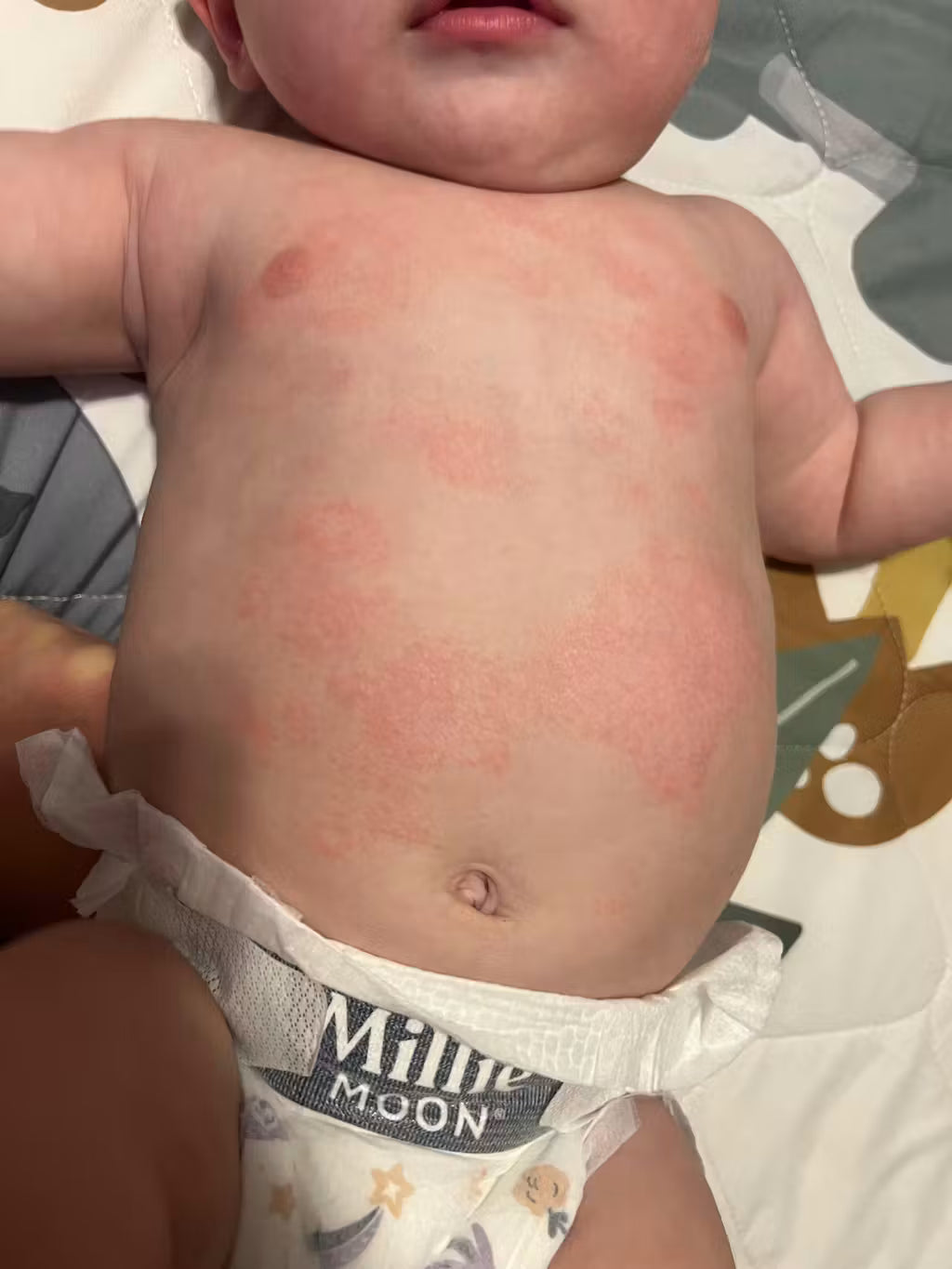
What Causes Baby Eczema?
If you've ever stood over the crib at 2 a.m. wondering why your baby's skin is dry, red, and clearly uncomfortable, you're far from alone, and you haven't done anything wrong. Baby eczema is one of the most common skin concerns in infancy. Understanding why it happens makes it much easier to manage day to day, so here's what's actually going on beneath that irritated skin.
First, what is baby eczema?
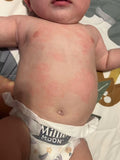
Baby eczema almost always refers to atopic dermatitis, a condition where the skin becomes dry, inflamed, and itchy. It often appears in the first six months of life, frequently on the cheeks, scalp, and the outer arms and legs. As babies grow, it tends to move to the creases of the elbows and knees. The patches can look pink or red, feel rough or scaly, and sometimes weep or crust over during a flare.
One thing worth saying clearly: eczema isn't contagious, and it isn't a sign of poor hygiene or anything you did as a parent. It's a difference in how some babies' skin is built and how their immune system responds.
The skin barrier connection
The biggest piece of the puzzle is the skin barrier. Healthy skin has a strong outer layer that works like a brick wall, holding moisture in and keeping irritants and allergens out. In babies with eczema, that wall behaves more like a loosely stacked fence. Water escapes more easily, which is why eczema-prone skin tends to be so dry. And because the barrier is more porous, everyday irritants and allergens can slip through and trigger inflammation.
Many children with eczema have a difference in a protein called filaggrin, which helps hold the barrier together and keep it hydrated. When there's less of it, skin loses water faster and reacts more to the world around it. This is also why consistent moisturizing matters so much: it helps support a barrier that needs the extra help.
Genetics and family history
Eczema tends to run in families. If one or both parents have eczema, asthma, or hay fever, their baby is more likely to have it too. Doctors sometimes call this the "atopic triad," because these three conditions often travel together and share a similar underlying tendency toward an overactive immune response. If eczema is in your family tree, it's simply part of the genetic hand your little one was dealt.
An immune system on high alert
In eczema-prone skin, the immune system tends to overreact to things that wouldn't bother most people. A small amount of an everyday irritant or allergen can set off a response that shows up as redness, swelling, and that relentless itch. The itch leads to scratching, scratching further disrupts the barrier, and the damaged barrier lets in more triggers. This is the frustrating "itch-scratch cycle," and it's a big reason eczema can seem to flare for no clear reason.
What makes flares worse
Genetics and barrier function set the stage, but specific triggers in your baby's environment often decide when a flare shows up. Common ones include:
- Dry air and low humidity, especially in winter or in heated rooms
- Heat and sweat
- Saliva and drool, which is why irritation often appears around the mouth in teething babies
- Harsh soaps, bubble baths, and fragranced products
- Laundry detergents and fabric softeners with added fragrance
- Scratchy fabrics like wool, or rough synthetics that trap heat
- Common allergens such as dust mites, pet dander, and pollen
Every baby is different, and part of managing eczema is learning which of these tend to set off your child in particular.
What does not cause baby eczema
It's just as helpful to clear up the myths. Eczema isn't caused by your baby being "dirty," and bathing won't give them eczema. In fact, gentle bathing followed by moisturizer is part of good care. It's also not caused by something you ate while pregnant or breastfeeding in most cases. While certain food allergies can be linked to eczema in some infants, food isn't the root cause for the majority of babies. If you suspect a food connection, that's a conversation for your pediatrician rather than something to diagnose on your own.
Caring for eczema-prone baby skin
You can't change your baby's genetics, but you can do a lot to keep that delicate barrier comfortable and well supported. The fundamentals are simple: bathe in lukewarm water for a short time, pat rather than rub dry, and moisturize generously while the skin is still slightly damp to lock in water. Dress your baby in soft, breathable fabrics like cotton, keep rooms from getting too hot or dry, and steer clear of fragranced products and known irritants.
When it comes to what you put on the skin, simpler is usually kinder. Sensitive, eczema-prone skin does best with products that nourish and protect without a long list of synthetic ingredients that can become triggers themselves. This is the entire reason our family built Sunborn the way we did: every product is made with three completely natural ingredients and nothing else, with no fragrance, no petroleum, and no synthetics.
A gentle routine built for sensitive skin
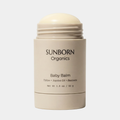
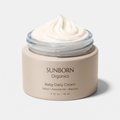
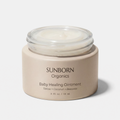
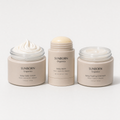
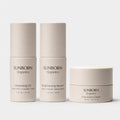
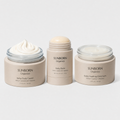
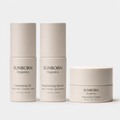
For parents who want an easy, gentle system for everyday care, we created the Sunborn Baby Routine: three products, three natural ingredients each, made for the dry, sensitive, eczema-prone skin so many babies have.
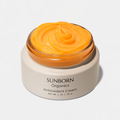
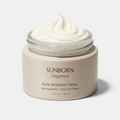
- Baby Daily Cream is your everyday moisturizer, made for mornings and after baths to keep skin soft, nourished, and comfortable.
- Baby Healing Ointment is a gentle, protective layer for the diaper area and rougher, drier patches.
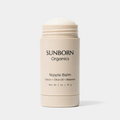
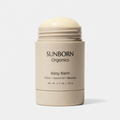
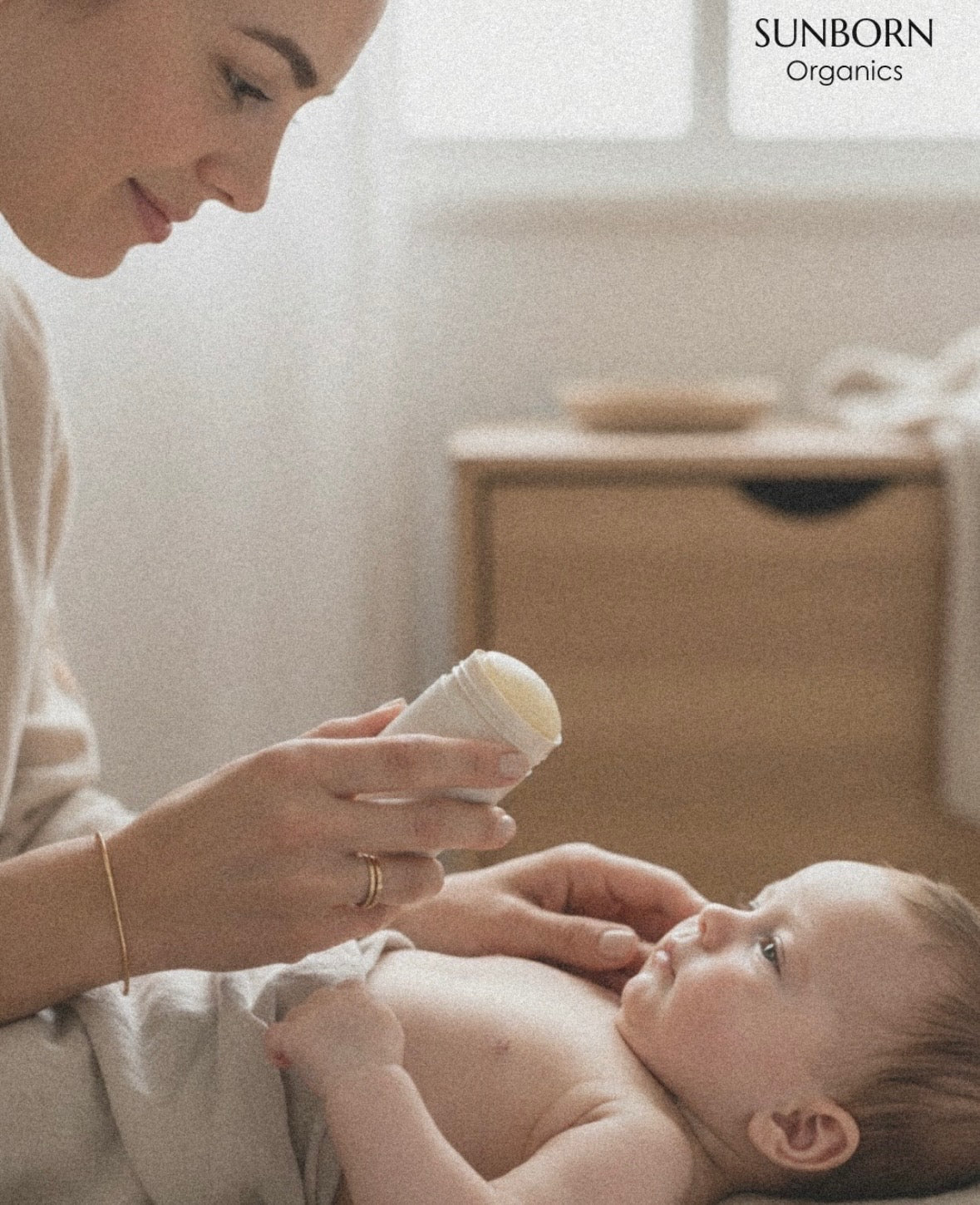
- Baby Balm is your on-the-go option in a mess-free, touch-free stick, perfect for quick relief on dry spots whenever you need it.
Each one is made with 100% grass-fed beef tallow, organic beeswax, and a single targeted oil, and every product is third-party lab tested for purity. Bought together as a routine they cost less than buying each on its own, and you can subscribe to save more and never run out. They're also safe for newborns and safe if accidentally ingested, which is one less thing to worry about.
When to talk to your pediatrician
Good daily care goes a long way, but eczema sometimes needs a professional's help. Reach out to your pediatrician if your baby's skin is cracking, oozing, crusting yellow, or showing other signs of possible infection, if a flare is severe or spreading, if the itch is disrupting sleep, or if things simply aren't improving. They can confirm what you're dealing with and build a plan that's right for your child.
Eczema can be exhausting, but with a little understanding and a consistent, gentle routine, most babies' skin can stay calmer and more comfortable. You're doing a wonderful job, even on the hard nights.
From our family to yours,
Gia
Mother & Founder of Sunborn Organics

Leave a comment
This site is protected by hCaptcha and the hCaptcha Privacy Policy and Terms of Service apply.